American Holidays Inc.
Call: 1-855-663-3888
Email: info@americanholidaysinc.com
American Holidays Inc.
Call: 1-855-663-3888
Email: info@americanholidaysinc.com



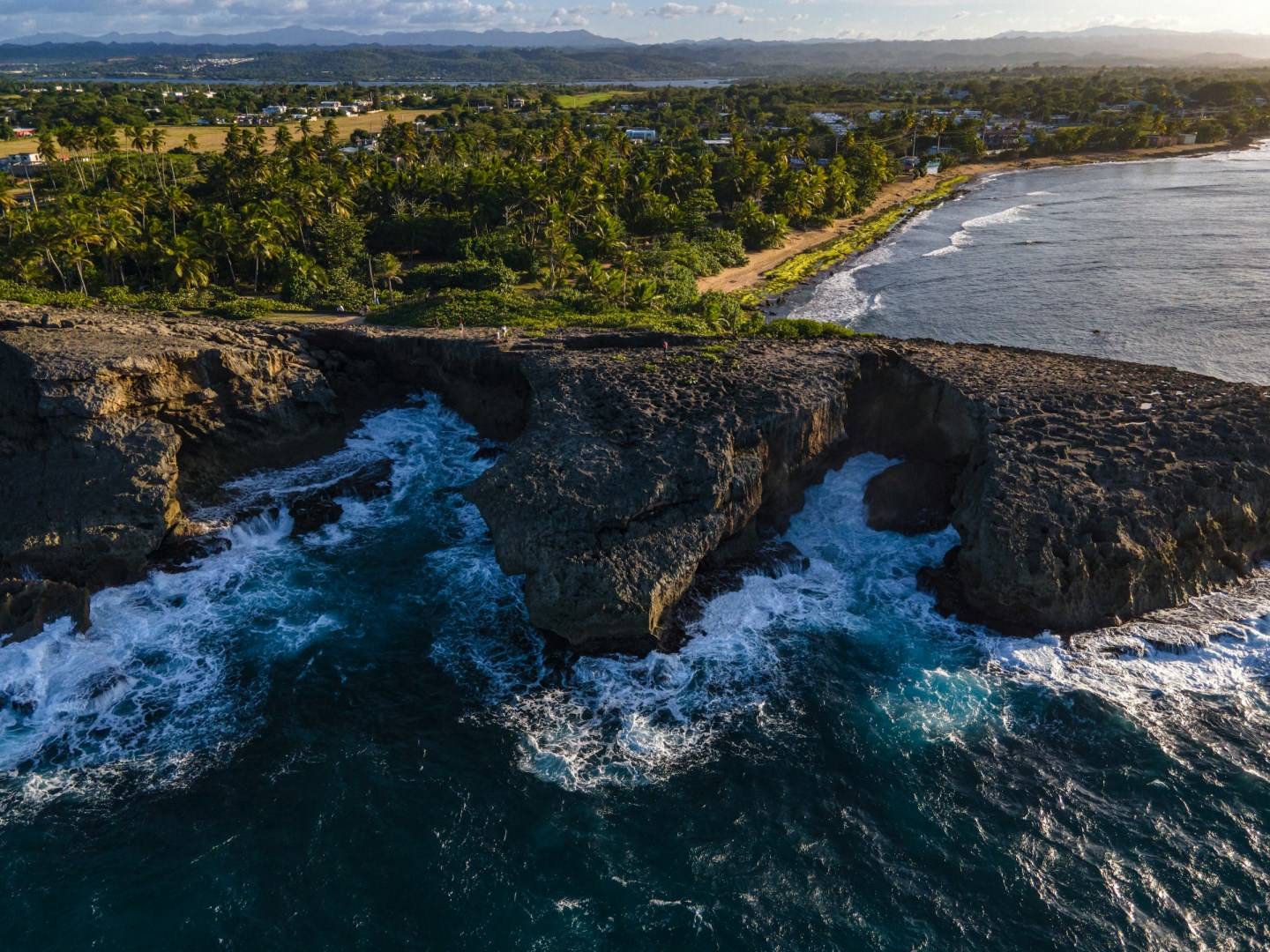

Arecibo is a coastal municipality on the north coast of Puerto Rico, where the Atlantic Ocean meets the island’s northern karst region. It is known for a varied landscape of beaches, limestone hills, caves, sinkholes, forests, and rivers, including the Río Grande de Arecibo and Río Tanamá. The city is also known as the Villa del Capitán Correa, a name connected with local history and the defense of the settlement. Arecibo is one of the island’s larger municipalities by area, extending from the coastal plain into forested and mountainous terrain farther inland.
Arecibo’s cultural identity combines Taíno heritage, Spanish colonial traditions, African influences, and contemporary Puerto Rican life. The municipality maintains historic and cultural facilities including Casa Ulanga, which now serves as a cultural centre, and museums dedicated to local music and history. Taíno heritage is particularly visible in the municipality’s caves and rock shelters, where indigenous petroglyphs remain. The city’s historic centre also contains churches, public buildings, and traditional architecture that reflect its development as a coastal settlement. Local arts programs include music, dance, literature, theatre, visual arts, and folklore.
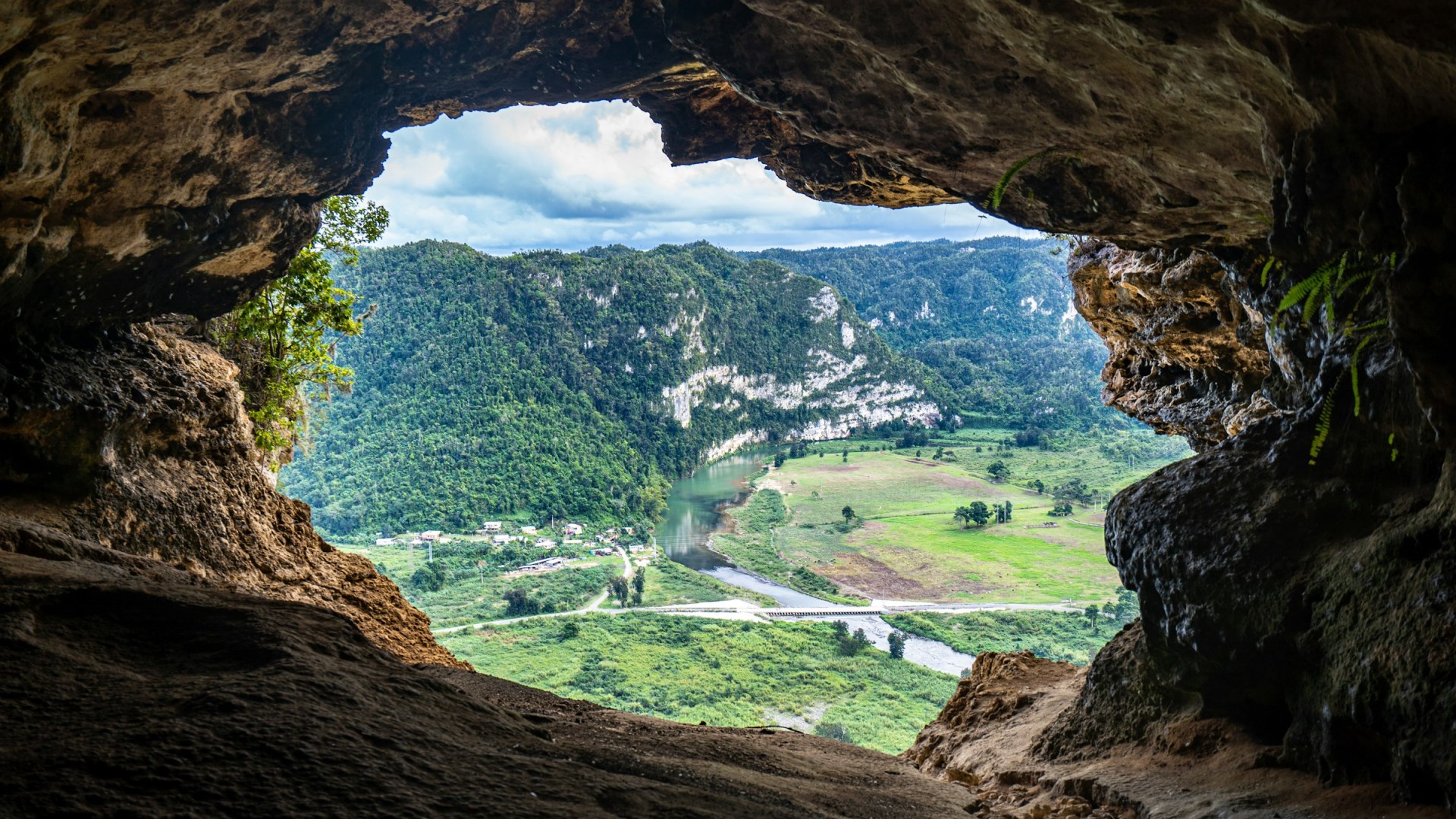
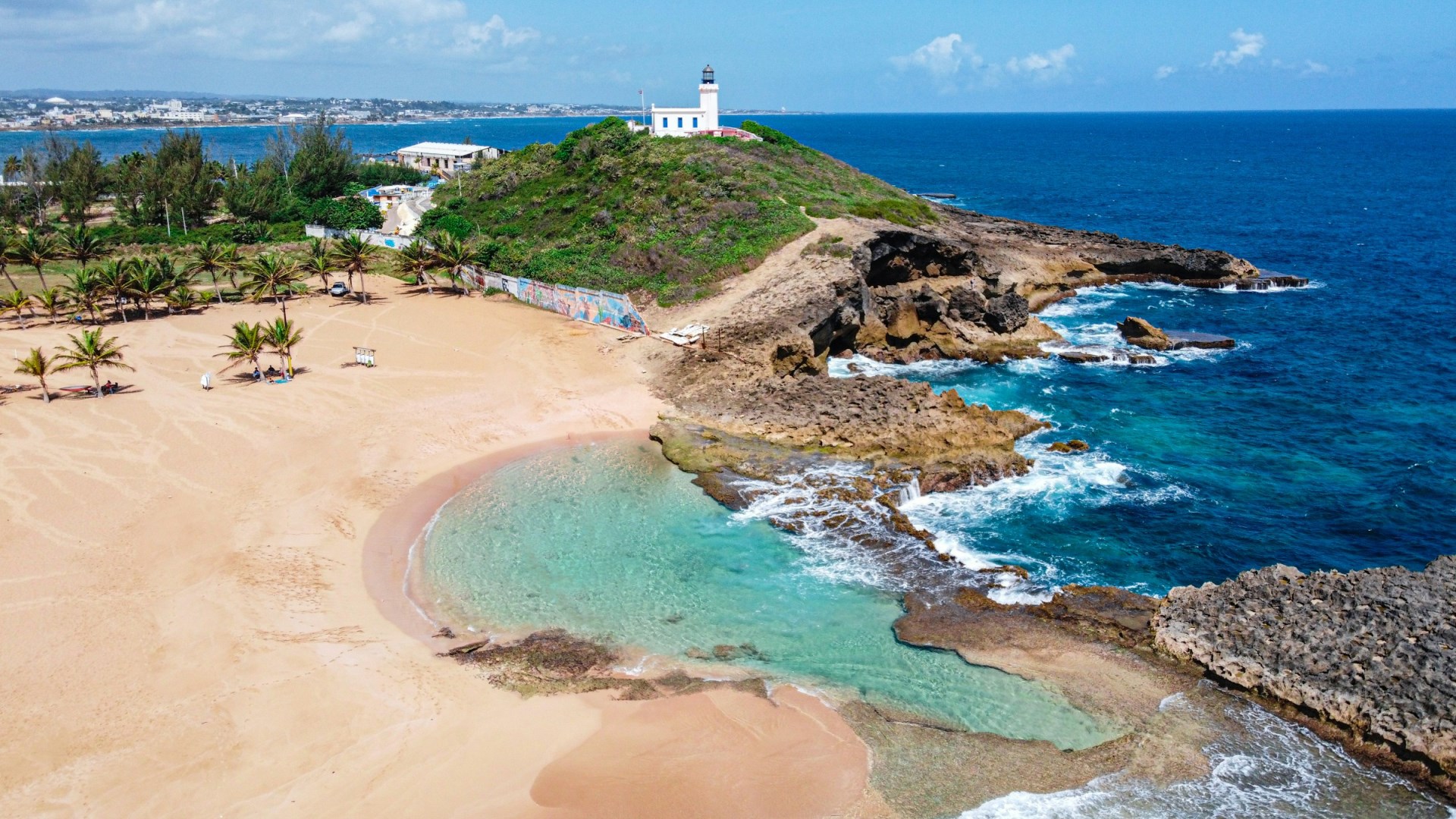
Arecibo has several distinctive natural and cultural attractions. Cueva Ventana is a limestone cave with an opening overlooking the Río Grande de Arecibo valley, while Cueva del Indio contains Taíno petroglyphs and coastal rock formations. The Arecibo Lighthouse and Historical Park stands beside the Atlantic and combines a historic lighthouse with exhibits and reconstructed elements. Cambalache and Río Abajo state forests protect areas of northern karst vegetation and provide habitat for birds and other wildlife. La Poza del Obispo and other coastal areas offer opportunities for swimming and exploring the shoreline, while the Tanamá River runs through the municipality’s interior.
Arecibo’s food reflects the wider culinary traditions of Puerto Rico, with dishes based on rice, beans, plantains, root vegetables, pork, chicken, and seafood. Fish and other marine products have a natural connection to the municipality’s Atlantic coastline, while agriculture in the surrounding region supplies fruits and other crops. Local restaurants and food businesses serve familiar Puerto Rican dishes such as mofongo, arroz con gandules, pasteles, alcapurrias, and fresh seafood. A distinctive feature of Arecibo is the close relationship between its cultural and natural landscapes: Taíno rock art, Spanish-era heritage, tropical forests, limestone caves, rivers, and coastal communities are all part of the municipality’s identity.